
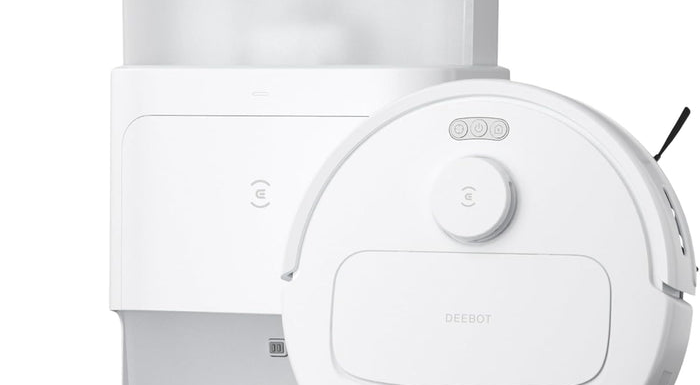
Keeping floors clean is a common task in every home. The tools for this job have changed a lot. Two main types exist: the classic models and the modern ones. Each vacuum robot model offers a different way to clean. Looking at their features shows how smart home technology has improved our daily routines.
Basic cleaning vs. smart mapping:
Classic robots clean in a simple way. They bounce around a room randomly. They change direction when they bump into something. This gets the job done, but it can miss some spots. Modern robots build a map of your home. They use sensors to see where they are going. This helps them clean in neat, efficient lines.
Random patterns vs. room-by-room:
Because classic robots bounce around, their path is unpredictable. They might clean the same area twice and miss another completely. Modern robots use their smart maps to clean in a logical way. They can clean one room at a time, ensuring each space is fully finished before moving on.
Simple controls vs. app and voice:
Classic robots often have just a button or a basic remote. You press start, and they begin their random cleaning. Modern robots connect to your phone. You can start a clean from your couch or even with your voice. You can tell them to clean just the kitchen.
Manual help vs. self-emptying:
With a classic robot, you must empty its small dustbin after every clean. If it gets stuck on a rug, you have to rescue it. Modern robots can be more independent. Some models even empty their own dustbin into a larger base. This means you can forget about it for weeks.
Basic sensors vs. object avoidance:
Classic models have simple bump sensors. They react after hitting a chair leg or a wall. Modern robots have better vision. They can often see common obstacles like socks or charging cables on the floor.
Set-and-forget vs. custom cleaning:
You set a schedule on a classic robot and hope it cleans everything. Modern robots let you do more. You can draw lines on your phone map to tell the robot to avoid certain areas. You can also set it to clean a specific zone twice.
